
Dementia care that connects the dots.
Kneu is extending its MHRA-registered platform to dementia—using smartphone-based monitoring and AI insights to personalise care, detect decline earlier, and reduce avoidable hospital use.
The problem health systems face
Faced with a shortage of specialists, many people with dementia and caregivers struggle to navigate the complexities of care.
Many people with dementia reach crisis before getting help as there are limited ways of capturing early cognitive decline. This means patients miss the optimal treatment window.

How Kneu delivers value


Detect deterioration early
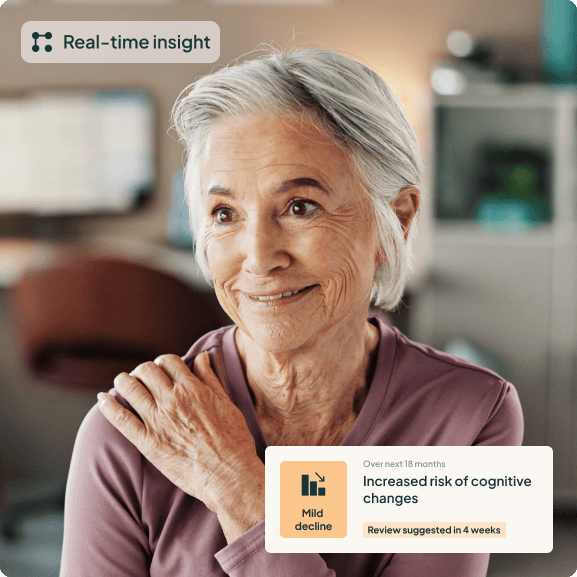
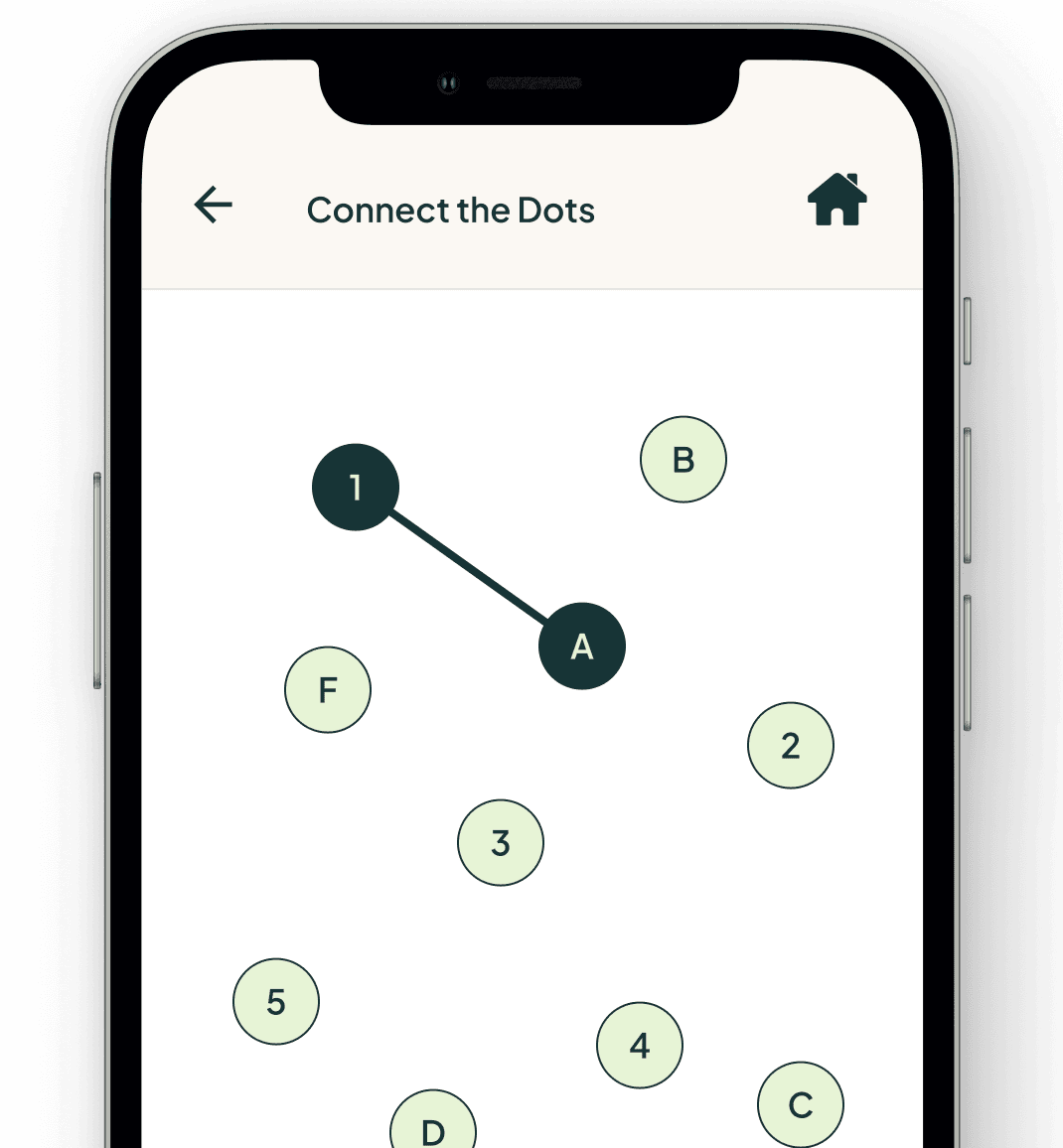
Kneu combines cognitive, motor, and behavioural measures via smartphone, helping clinicians detect subtle decline earlier and move from crisis management to proactive care.

Support caregivers with clarity
By surfacing clear, structured insights, Kneu reduces the uncertainty caregivers face. It provides data that validates their observations, making them feel heard and supported in clinical conversations.

Ease pressure on systems
People with dementia account for 25% of acute beds.4 By enabling earlier intervention and shifting care from emergency to planned pathways, Kneu helps health systems manage capacity more effectively.

Fits into existing care pathways
Kneu is EHR-integrated and MHRA-registered, designed for easy adoption without adding extra burden. Clinicians gain objective data that fits into existing workflows, reducing administrative overload.
Why Kneu works for health systems
Kneu flags early signs of cognitive decline—prioritising in-person reviews for those at risk, enabling safe remote monitoring for others, and easing pressure on GPs and health services.

Lightens acute demand
Move dementia care from crisis response to proactive planning, with earlier interventions that reduce avoidable admissions and ease system strain.

Improves care efficiency
Pilots show 20% shorter clinic time and 31% resource savings.7 Kneu enables services to reach more patients without adding staff or infrastructure.

Unlocks new value
Kneu supports earlier action, cutting downstream costs and delivering measurable return without additional hardware.

Supports caregiver-led care
Caregivers play a vital, unpaid role. Kneu provides structured insights that reduce crises, improve continuity, and ease pressure on the system.
Trusted by the experts who use it every day
Oxford Health NHS Foundation Trust
"Easy to navigate and the graphs are all very clear"
"Very user friendly and easy to use"
"It looks really good and great to see it in practice"
Consultant Psychiatrists
Oxford Health NHS Foundation Trust

Frequently Asked Questions
Got another question about Kneu health? Reach out via contact and support.
Contact usKneu integrates cognitive, motor, and psychosocial assessment with medication adherence tracking via patients' smartphones. This provides clinicians with greater visibility of a patient's decline between visits, supporting earlier intervention and helping to reduce unnecessary hospital admissions.
Take the first step towards smarter neurology care
Discover how Kneu delivers earlier insights to ease pressure on care teams—with the tools already in your hands.
Request a demo